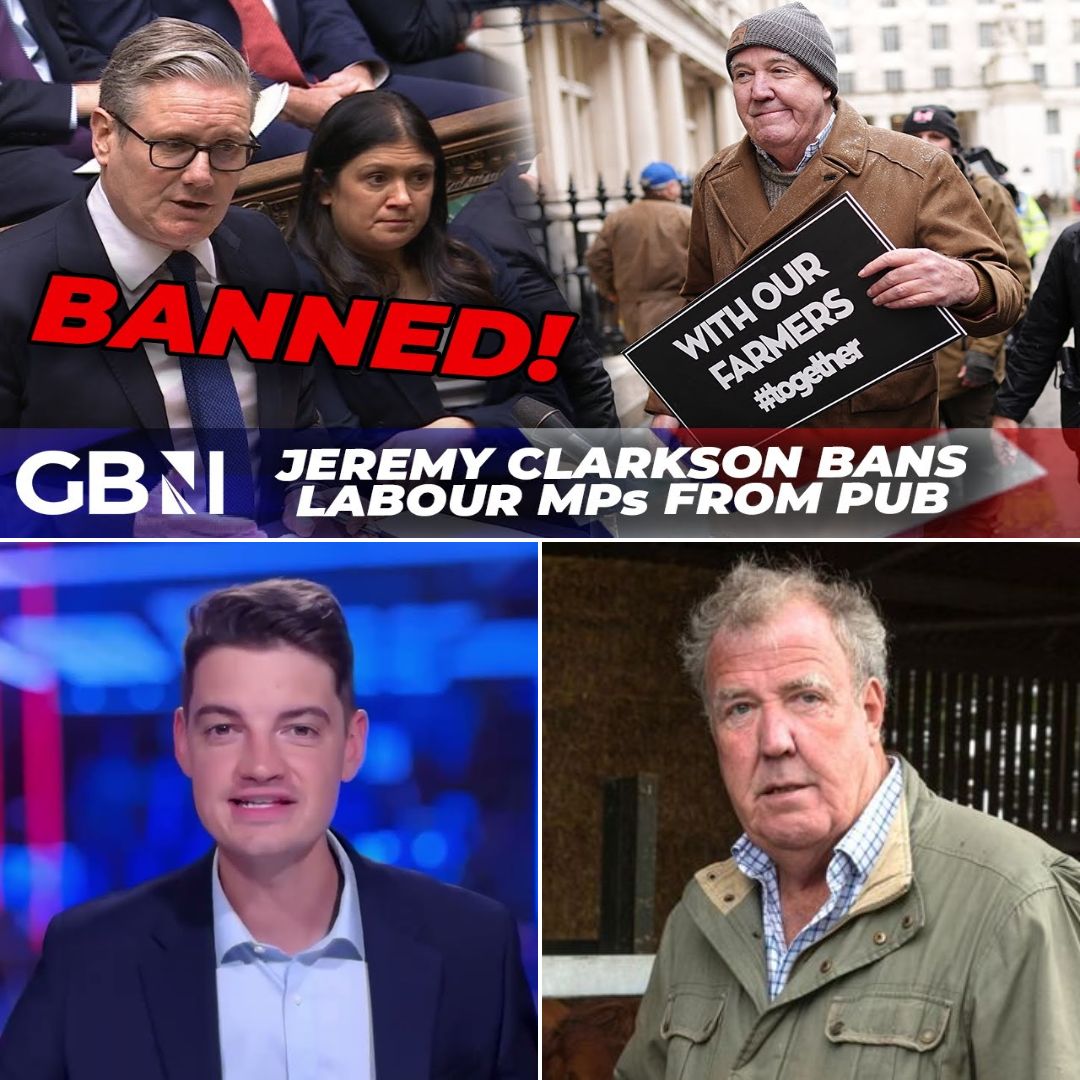
In a shocking political and social statement, Jeremy Clarkson, the notorious petrolhead turned farming enthusiast and media personality, has escalated his crusade by banning all Labour MPs from his pub in the Cotswolds. This move, announced amidst rising tensions over agricultural policy and business rates, marks a significant intensification of Clarkson’s vocal protest against the current Labour government’s handling of farming and small business issues.
 Clarkson initially barred the Prime Minister from his establishment upon opening his pub last year. Now, he has widened the ban to encompass every Labour MP, signaling deep disapproval of the party’s leadership and policies. This unprecedented exclusion underscores Clarkson’s frustration with what he describes as governmental mismanagement and unfair economic burdens shouldered by local businesses.
The core grievance centers on soaring business rates. Clarkson cited an astronomical increase from approximately £28,000 to over £50,000 annually, a staggering hike he brands “an absolute disgrace.” To Jeremy, this financial squeeze is unjustifiable and symptomatic of a broader failure within the Labour administration, particularly in agricultural and hospitality sectors that remain vital to rural economies.
Joining this heated debate, Robert Thomas, founder and owner of Remarkable Pubs, provided a counterpoint, accusing Clarkson of being “completely disingenuous.” Thomas highlighted government hospitality leisure relief schemes that provide significant discounts on business rates, arguing the actual increases are far less severe. He stressed that pubs across the country benefit from various grants and reliefs, amounting to nearly a million pounds in support within his own operations.
 Despite these assurances, the distress in the pub industry is palpable and persistent. Numerous landlords across the UK report financial strain, citing business rates, national insurance hikes on employers, and escalating living wages as key contributing pressures. The outlook remains bleak with pub closures continuing at an alarming rate, reflecting widespread instability within the sector.
Thomas further emphasized that the principal threat to pub survival is excessive rent demanded by pub companies, or “pubcos,” rather than business rates or wage increases. He explained how these entities borrow heavily, sometimes billions, from banks, transferring the cost burdens onto tenants through prohibitive rent hikes. This problematic rent inflation, rather than government-imposed rates, is often the fatal blow for struggling landlords.
The tension between rent costs and government relief exposes a complex web of challenges for pub owners. While some relief mitigates the blow of rising rates, exorbitant rents remain a profound obstacle, forcing many landlords to hand back their keys. This dynamic fuels ongoing debates about the true causes behind the high attrition rate of pubs nationwide, challenging common narratives blaming only taxation or operating costs.

Clarkson’s dramatic ban has spurred fierce debate, illustrating the disconnect between public perceptions and industry realities. Critics such as Thomas argue that barring politicians from a business is a drastic response that fails to address systemic issues. Still, Clarkson’s symbolic action struck a chord, spotlighting frustrations felt by many in rural communities and small enterprises faced with inflationary pressures and regulatory complexities.
The timing of Clarkson’s ban amid a national cost of living crisis and a recession adds further urgency. As small businesses grapple with these headwinds, political decisions affecting rates and support schemes are under intense scrutiny. Clarkson’s protest has therefore become a flashpoint for broader discussions on government accountability and the economic future of Britain’s rural and hospitality sectors.
 Political commentators and industry insiders alike are eager to observe how this standoff evolves. Clarkson, a polarized figure well-known for his outspoken views, has effectively used his public platform to challenge Labour’s leadership and stir a nationwide conversation on fiscal fairness and rural livelihoods. Whether this will compel policy reassessment remains to be seen.
This development ignites fierce questions over the viability of politicized business decisions and the efficacy of governmental support mechanisms in protecting vital industries. Jeremy Clarkson’s ban on Labour MPs serves as a glaring symbol of dissatisfaction and confrontation, emphasizing the palpable divide between political actors and those impacted directly by their policies.
As the story unfolds, the full repercussions of this unprecedented political boycott will emerge. For now, Clarkson’s stance reverberates loudly across the UK, capturing attention and demanding urgent reflection on the economic and political strategies shaping Britain’s future. The battle lines in rural Britain, it seems, have been sharply drawn—and the stakes have never been higher.