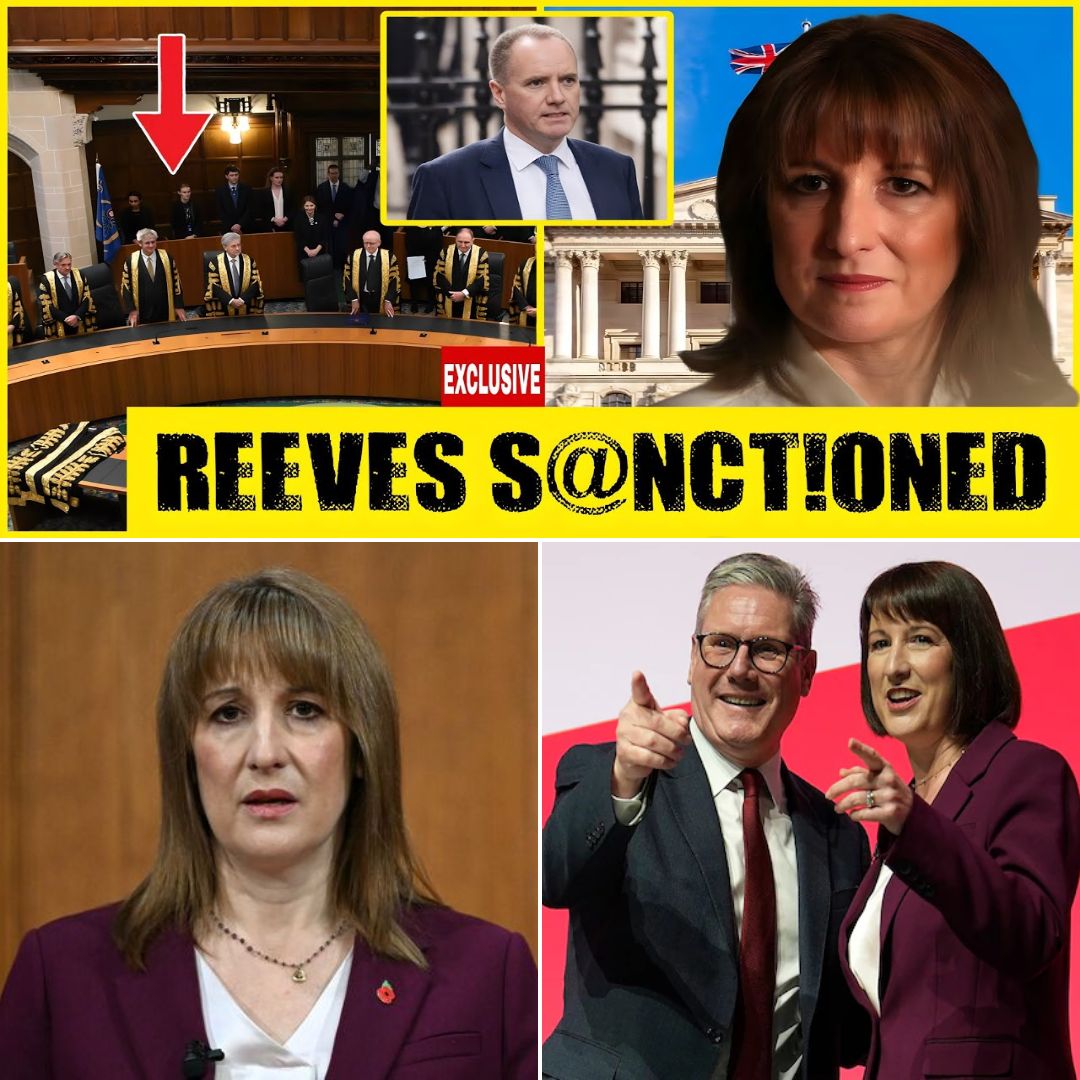
Breaking news just in: Rachel Reeves, the UK Chancellor, is now under intense fire after the Office for Budget Responsibility (OBR) exposed a staggering fiscal misrepresentation tied to the latest budget.
 Shockwaves erupted across Westminster as the OBR revealed that the colossal £26 billion in tax rises announced by Reeves were not an economic necessity but a calculated political choice. The so-called “fiscal black hole”—her justification for the hikes—was in fact a mere £2.5 billion as far back as mid-September.
This revelation shatters the narrative Reeves and her Treasury team relentlessly pushed in the months leading up to the budget. They painted a dire financial apocalypse, a yawning chasm of debt forcing the government’s hand. But the truth? The crisis was grossly exaggerated by a factor of twelve.
Despite repeated warnings of economic disaster, the OBR’s figures as early as October 31st showed the deficit had completely vanished, replaced by a £4.2 billion surplus. This crucial data was available long before the budget’s publication yet went unheeded or concealed.
What does this mean? It means Rachel Reeves knowingly fueled public fear and hardship by pushing for record tax hikes while understanding the nation’s finances were far healthier than portrayed. This is not political spin; it is a profound breach of public.

The Chancellor cited downgrades in productivity as the driving force behind the tax rises. While productivity did suffer, OBR data reveals the impact was offset by higher wages and inflation, neutralizing much of the anticipated shortfall in tax revenues.
Moreover, the £26 billion increase was not imposed by economic realities but was Ms Reeves’ own political decision, aimed at funding lavish welfare expansions—specifically scrapping the two-child benefit cap, a policy she and Labour leadership promised during the election campaign would remain untouched.
This bombshell casts serious doubts over the Labour government’s credibility. They pledged moderate, sensible economic stewardship and capped tax rises at £8 billion, yet have tripled that figure with measures that contradict campaign promises.
The financial manoeuvring has serious real-world implications. British households have been led to believe tax increases were painfully unavoidable, bracing for severe belt-tightening. In reality, these hikes were political choices hidden behind manufactured fiscal panic.
Adding insult to injury, the timing and nature of Reeves’ public statements—including her alarmist hints on income tax rises—now seem a manipulative ploy to soften voters to accepting unprecedented tax burdens.
The opposition has instantly seized on the scandal, demanding immediate answers. Questions swirl about the Chancellor’s integrity and whether Parliament and the public have been deliberately misled to pass budget measures that violate explicit manifesto commitments.
At the heart of the storm is a fundamental crisis of trust in this government. It marks a dramatic break from Labour’s post-election assurances that working people’s taxes would not rise and that spending decisions would be responsible and transparent.

The fallout is expected to be fierce. With parliamentary scrutiny intensifying, Rachel Reeves faces overwhelming pressure to justify her actions, explain the discrepancy between her statements and the financial facts, and reconcile her policies with previously sacred pledges.
Set against a backdrop of soaring living costs and economic uncertainty, this revelation couldn’t be more explosive. It raises stark questions about accountability and governance at the highest level of British politics.
As the situation unfolds, all eyes remain glued to Westminster for what promises to be a defining moment in Chancellor Reeves’ political career—and for the Labour government’s credibility on fiscal management.
One thing is clear: the era of blind faith in official budget narratives has been shattered. The public and Parliament demand transparency and truth—lessons that this unfolding scandal painfully underscores.
This is a developing story. We will continue to provide updates as more information and reactions emerge. The implications for the UK’s political and economic landscape are profound and rapidly evolving. Stay tuned.