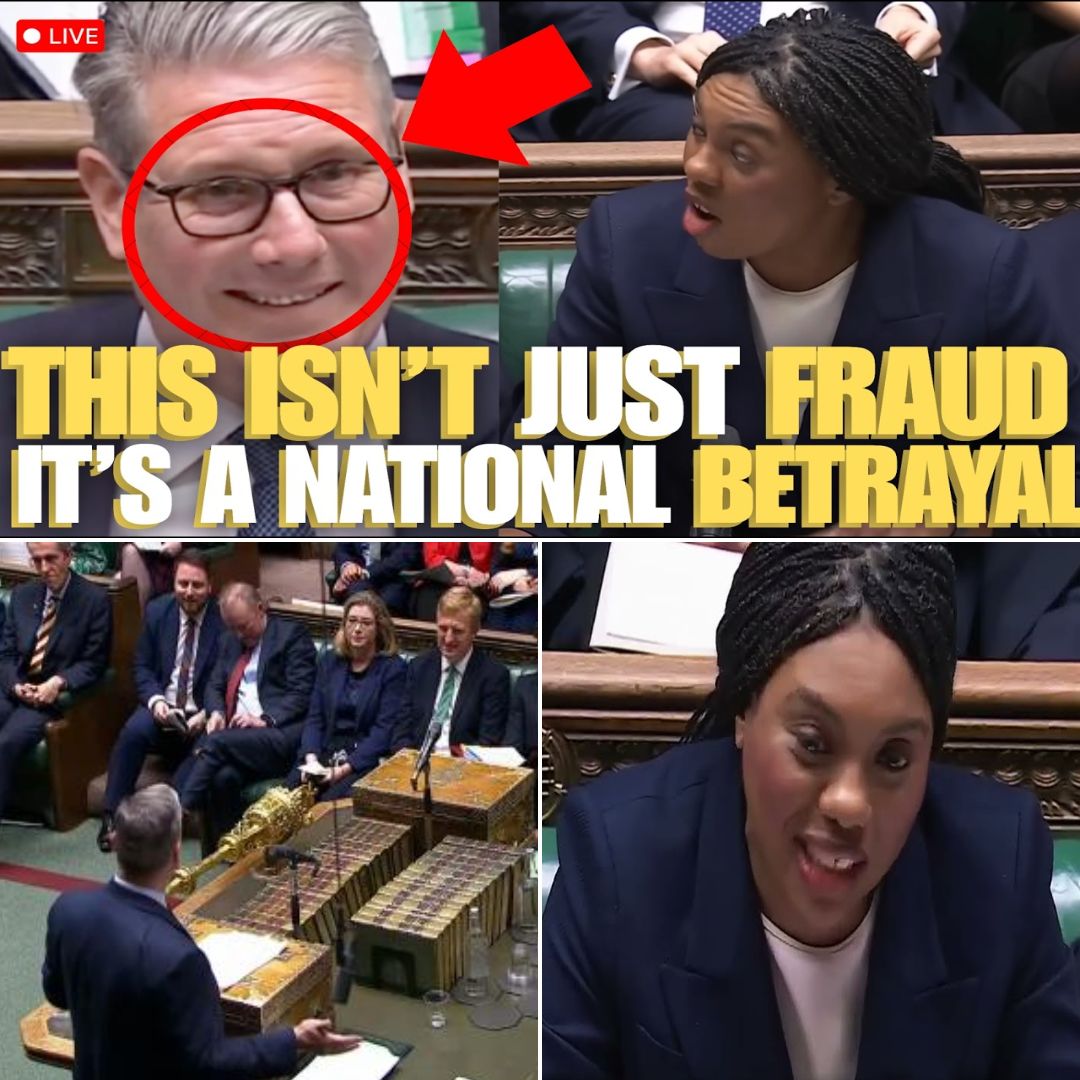
In an explosive session in the House of Commons tonight, Sir Keir Starmer was ruthlessly dismantled over accusations of misleading the nation, parliament, and financial markets, exposing a crisis of leadership and trust at the highest level. The Labour leader’s promises of honesty and stability crumbled as MPs revealed internal dissent, with ministers openly contradicting him and members leaking dire assessments of a catastrophic budget failure. This public political crisis underscores deep fractures within the party and casts a long shadow over Starmer’s credibility.
 The debate erupted over the fallout from a recent budget described by critics as a “disaster from start to finish.” Starmer, who came into office pledging grown-up politics, was confronted with scathing remarks from his own cabinet, who reportedly called the budget handling reckless and incompetent. The chaos extended beyond rhetoric, as backlash mounted over the forced resignation of the Office for Budget Responsibility (OBR) chief, who stepped down after exposing falsehoods tied to tax rises on working families.
Opposition MPs wasted no time pressing Starmer on accountability, demanding answers about why the government appeared to be floundering amid allegations of deliberate misinformation and fiscal mismanagement. The head of the OBR’s exit, linked to what critics called market-sensitive leaks and potential legal infractions by the chancellor, intensified the pressure on the Labour leadership to cooperate fully with investigations into possible market abuse.
Starmer’s defenses unraveled rapidly, with claims of economic progress and social investment contradicted by hard facts presented by the opposition. They highlighted rising unemployment and a surge in children living in workless households, a stark indicator of the real-world consequences of the budget’s failures. The budget’s emphasis on lifting half a million children out of poverty was framed by critics as politically motivated and inconsistent with previous stances, igniting fierce accusations of broken promises.
The chancellor’s position grew increasingly untenable as reports of internal dissent, contradictory media briefings, and backbench rebellions added fuel to the fire. Leaked statements from ministers described a leadership that appeared weak and directionless, unable to manage its own team, much less the economy. The opposition relentlessly hammered the government’s record on austerity and economic management, pointing to an ominous £16 billion black hole that Starmer’s budget had failed to address convincingly.

One of the most dramatic moments came when MPs revealed how the budget’s tax increases had unintended and irreversible effects on people’s pension decisions. This revelation undercut Starmer’s claims of protecting ordinary workers and deepened skepticism about the government’s competence. The debate brought into sharp focus the growing disconnect between government rhetoric and the lived reality of millions struggling amidst economic uncertainty.
Despite attempts by Starmer to pivot the conversation towards NHS funding and cutting borrowing, the atmosphere in the Commons grew increasingly hostile. Whispered conversations and visible smirks from his own party underscored the extent of internal dissent. This session was not just a political setback — it was a public unmasking of a leadership in disarray at a time when national confidence is desperately needed.
Critics slammed Starmer for failing to take responsibility, accusing him of deflecting blame onto others while the country suffered the fallout of his decisions. The opposition’s calls for transparency and resignations reverberated throughout the chamber, emphasizing an urgent need for accountability in the wake of what many described as a budget meltdown. Financial stability and political credibility, once Starmer’s core pledges, now hang by a thread.

The wider implications of this political crisis are profound, with child poverty, unemployment, and economic instability converging as central themes. MPs demanded clarity about funding shortfalls for children with special educational needs and raised alarm about the rise in family hardship linked directly to government policy. This debate highlighted the growing public frustration and the failure of leadership to offer clear and consistent solutions.
Starmer’s leadership now faces a critical test, not just from opposition forces but from within his own ranks. With trust eroding and policy contradictions mounting, the question lingers whether the Labour leader can regain control or if this political demolition marks the beginning of a deeper downfall. This dramatic Commons session captured a moment of political reckoning that will resonate far beyond Westminster walls.
Tonight’s confrontation stripped away politics as usual, revealing raw tensions and profound disagreements over the direction of the country’s economic future. The stakes have never been higher as millions await clarity and decisive leadership to navigate a turbulent financial landscape. This is more than a parliamentary spat — it is a front-row seat to a crisis threatening the very heart of the government’s mandate.

As the dust settles, calls for comprehensive investigations into the budget’s management and the legality of the chancellor’s actions intensify. The Financial Conduct Authority faces mounting pressure to scrutinize allegations of market abuse, underscoring the seriousness of the fallout. The political fallout could redefine the Labour Party’s trajectory ahead of critical elections.
In sum, the House of Commons witnessed an unrelenting assault on Starmer’s credibility and competence, with the opposition leveraging every detail to expose cracks in the government’s narrative. From harsh internal criticism to public accusations of economic mismanagement, the session was a stark warning sign of turbulent times ahead. Starmer’s challenge is clear: restore trust or risk political oblivion.
This moment of high drama will demand sustained public engagement and scrutiny. With mainstream media cautious, independent voices step up to ensure these revelations are not buried. The political and economic future of the country hangs in the balance, and tonight’s events have set a new, urgent agenda for accountability and transparency in government that cannot be ignored.