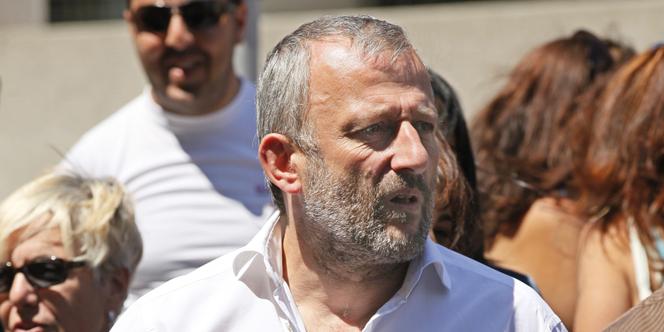
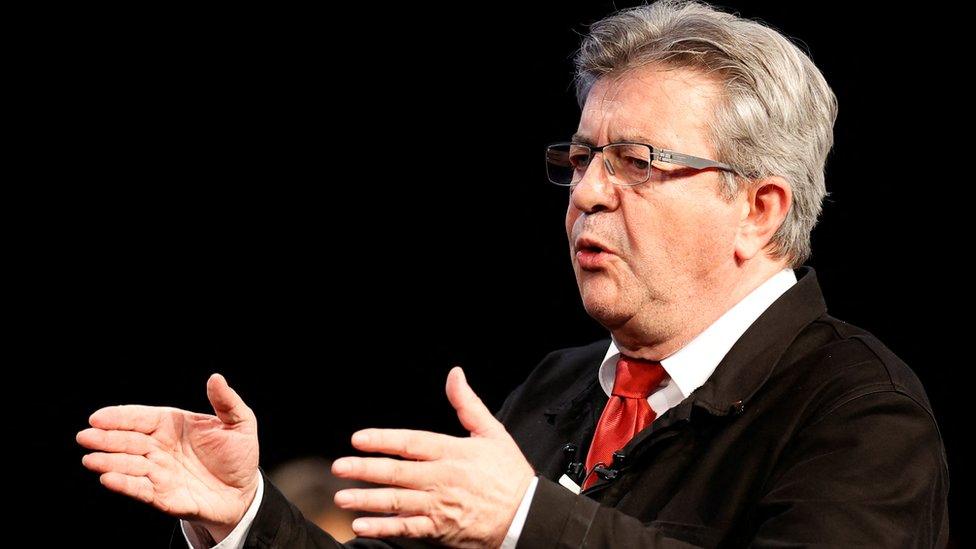
Breaking News: JUST IN – Labour Leader Keir Starmer Faces Unprecedented Rebellion as MPs Defy Party to Back Rejoining EU Customs Union
 In an explosive development shaking the UK political landscape, 13 Labour MPs have brazenly rebelled against party directives, voting alongside Liberal Democrats to advance a bill proposing reentry into the EU customs union. The dramatic vote, sealed by the deputy speaker’s casting vote, marks a seismic challenge to Starmer’s Brexit strategy and exposes deep fractures within Labour.
The House of Commons witnessed a razor-thin tie—100 for and 100 against—prompting deputy speaker Caroline Nos to exercise her rare casting vote to allow the bill’s progression. This extraordinary move underscores the intensity of parliamentary division over Brexit, a debate many presumed settled but which now reignites with fierce urgency.

Starmer’s carefully crafted Brexit stance—vowing to respect the referendum while drawing strict red lines around rejoining the customs union and single market—has been publicly repudiated by his own MPs. Despite explicit party instruction to abstain and uphold collective responsibility, this faction defied orders in a bold assertion that Labour’s current policy is inadequate.
The rebellion sends a stark message: a significant contingent within Labour wants a radical shift toward closer alignment with the EU, challenging the leadership’s cautious approach. While 13 rebels out of Labour’s substantial majority may seem minor, symbolically it signals deep ideological rifts and threatens party unity at a critical juncture.
The bill itself, a private member’s initiative from the Liberal Democrats, faces long odds of becoming law due to procedural hurdles and government opposition. Yet its symbolic power is undeniable, forcing Parliament to confront the unresolved complexities of Britain’s post-Brexit relationship with Europe.
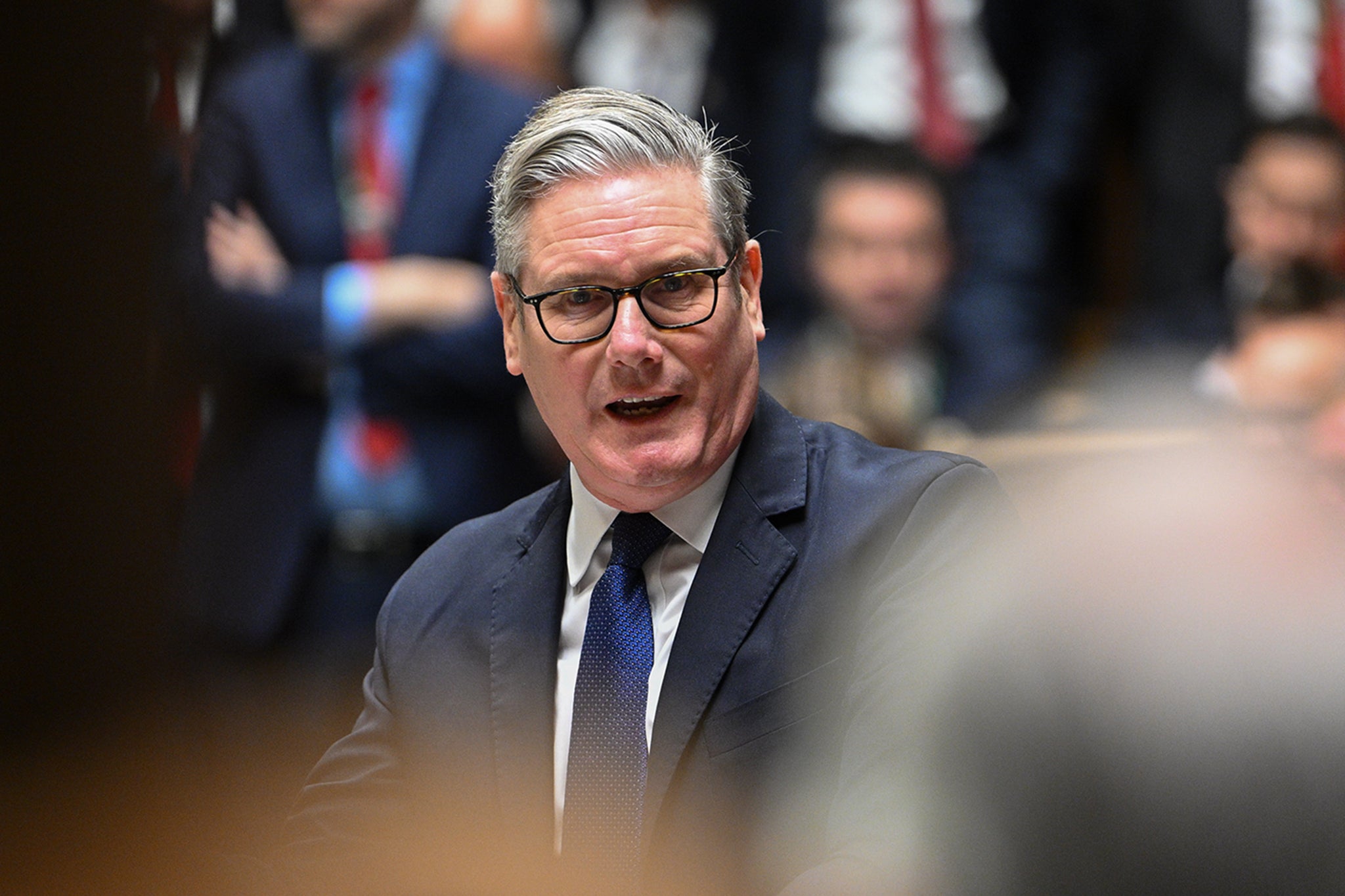
Liberal Democrat leader Ed Davey seized the moment, proclaiming a historic victory and demanding the government abandon its self-imposed red lines to embrace an ambitious new trade deal with the EU. Davey frames rejoining the customs union as a potential lifeline amid the ongoing cost-of-living crisis—arguing it could boost the economy and fund vital public services.
Economic analysts largely concur that Brexit has hampered UK trade and economic growth, with rejoining the customs union offering a pathway to reduce trade barriers, lower costs, and streamline cross-border exchanges. However, challenges remain, notably the forfeiture of independent trade policy, complicating the government’s calculations.
This internal party dissent comes amid growing recognition, even from government figures, that Brexit has inflicted economic damage. Last month, Starmer criticized the unrealistic promises made by Brexit proponents, while Foreign Secretary David Lammy explicitly acknowledged Brexit’s detrimental impact—a rare and candid admission at the top level.
These developments have fueled speculation about Labour’s potential pivot on Brexit policy. Starmer swiftly reaffirmed his manifesto commitment to reject rejoining the customs union or single market, instead advocating improved trade agreements short of full reintegration. Yet this defiance within his ranks threatens to undermine that carefully balanced stance.
The crux of the debate revolves around balancing respect for the 2016 referendum with pragmatic economic considerations. Starmer’s approach aims to retain the electoral gains achieved in Brexit-supporting “red wall” constituencies while addressing Brexit’s fallout through incremental reforms.
Rejoining the customs union, critics warn, restricts the UK’s ability to negotiate independent trade deals—a politically sensitive sacrifice. Proponents counter that recent trade agreements with non-EU partners have been limited in impact, making closer EU ties a practical necessity.
The contrasting visions within Labour dramatize the tension between electoral strategy and policy ambition. Should economic pressures mount and growth falter, this rebel faction’s influence could swell, forcing Starmer into a dire choice: uphold manifesto red lines or embrace a transformative Brexit rethink.
This turmoil unfolds against the backdrop of an economy struggling under inflation, energy costs, and supply chain disruptions, factors intensifying calls for decisive action. The vote reignites debates that many hoped had been settled, thrusting Brexit back to the heart of UK politics with alarming force.
As Labour grapples with internal dissent and external scrutiny, the path forward remains fraught with uncertainty. Starmer’s authority is visibly challenged, and the party faces a critical test of cohesion and direction as the nation watches closely.
The July 2024 vote serves as a stark reminder that Brexit, far from a closed chapter, remains a live and volatile issue. The UK’s political future—and its economic recovery—may hinge on how the Labour leadership negotiates this escalating rebellion within its own ranks.
Stay tuned for further updates as this story develops and the repercussions for UK politics continue to unfold in real time.